Column · @juliuscwuy703
Exactly How to Choose Assisted Living Near Me Without Really feeling Overwhelmed
Business Name: BeeHive Homes of Draper
Address: 711 Pioneer Rd, Draper, UT 84020
Phone: (801) 495-3100
BeeHive Homes of Draper
Full service assisted living facility serving southern Salt Lake County offering all-inclusive Memory Care, Assisted Living, and Senior/Adult Day Care services.
711 Pioneer Rd, Draper, UT 84020
Business Hours
The search for assisted living hardly ever starts as a cool planning project. It usually begins with a moment that really feels a little as well real. Maybe a parent missed out on medications twice in one week. Perhaps the refrigerator is complete, yet nothing fresh has been consumed. Maybe an autumn, a driving scare, or a pile of accounts payable made it clear that living alone has become harder than it looks from the outside.
That is why the expression "assisted living near me" obtains keyed in right into a search bar with such necessity. Individuals are not looking for a way of living upgrade. They are attempting to solve a trouble, commonly while lugging guilt, tiredness, and a dozen viewpoints from brother or sisters, medical professionals, and next-door neighbors. The pressure to make the best option can really feel intense because, in a very useful sense, it is. The best community can bring safety, structure, and alleviation. The incorrect one can develop frustration, additional cost, and an uneasy sensation that nobody is actually paying attention.
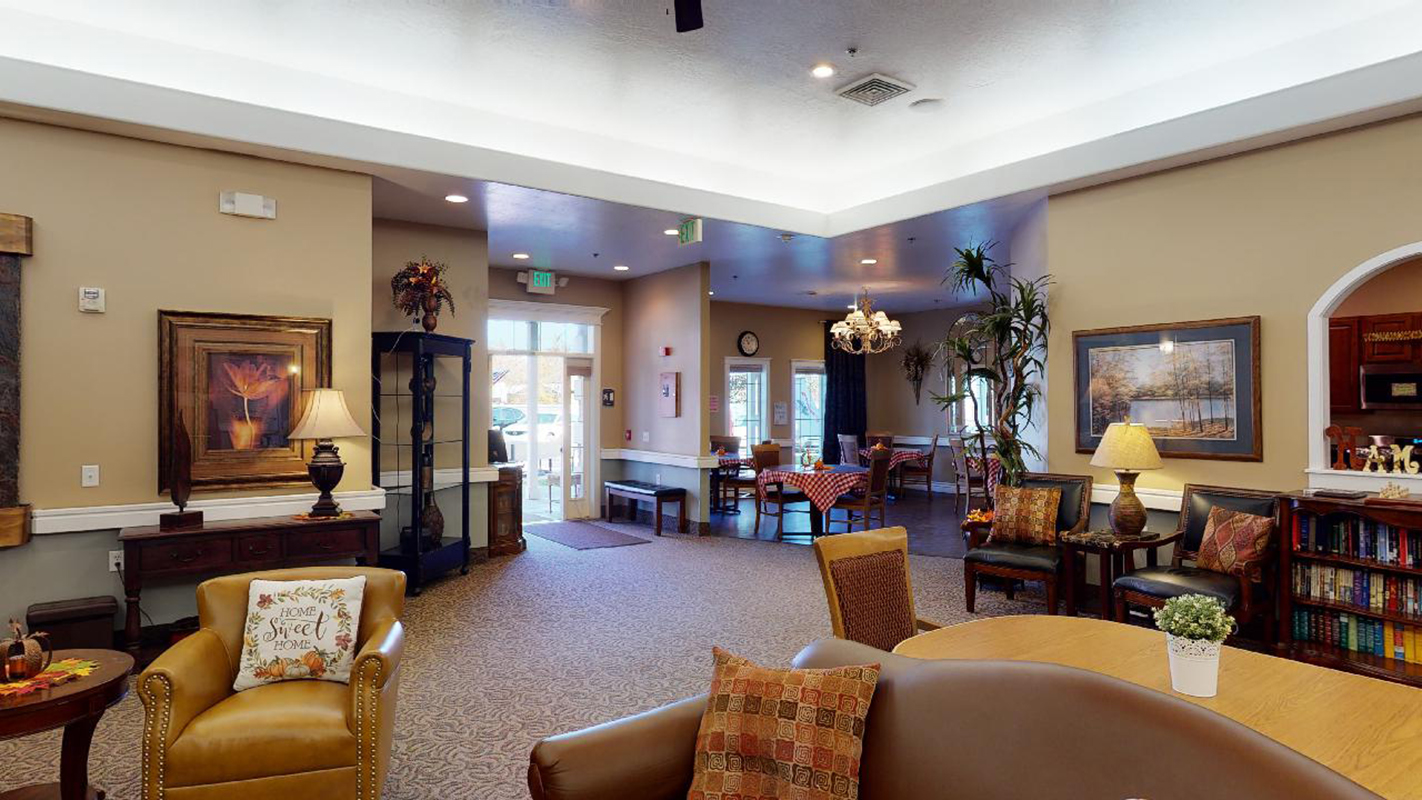
The good information is that this decision comes to be much less overwhelming once you understand what to search for and what to overlook. Assisted living is not one single experience, and the best selection is hardly ever the fanciest structure or the local address on the map. It is the location that fits the person's real needs, habits, budget, and personality. That takes some sorting, but not virtually as long as individuals are afraid when they first begin.
Start with the person, not the brochure
The easiest mistake is to begin with amenities. A refined dining-room, a calendar packed with activities, and a cheerful site can all be comforting, but they do not answer one of the most essential question: what does this older adult need aid with every day?
Assisted living is designed for people that do not require constant competent nursing care but do need support with some mix of bathing, clothing, dishes, medication tips, housekeeping, wheelchair, or supervision. That support can look very various from one resident to an additional. Someone may need assistance just in the early mornings and favor a rather independent routine. Another may need reminders throughout the day and close oversight as a result of memory modifications, equilibrium problems, or persistent illness.
Before touring areas, it aids to document what is actually occurring at home. Not what the family members really hopes is occurring, yet what is. Is the person eating normal meals? Are they showering safely? Are they missing medications? Are they lonesome, puzzled at night, or having a hard time to stay on par with the house? A clear image of every day life makes the search far more precise.
Families commonly discover that what they thought was "just a little lapse of memory" is really a pattern, or that what felt like "stubbornness" is actually fear of losing self-reliance. Those information matter. Assisted living should support feature, not just provide a pleasurable area to live.
Know the difference in between assisted living and various other senior care
Many people start by looking for senior care near me and promptly understand that the alternatives are a lot more different than anticipated. That can be practical, but it likewise creates choice exhaustion. Assisted living is one component of a larger care continuum, and comprehending where it rests can protect against pricey mismatches.
Assisted living normally functions well for individuals that can still participate in their day with some assistance. It is not the same as independent living, where citizens normally handle everything themselves. It is additionally not the like a nursing home, which is better fit to individuals with complicated medical needs requiring 24-hour competent care. Memory care can be part of an assisted living neighborhood, but committed memory care is usually more structured and safe for residents with moderate to innovative dementia.
There is likewise respite care, which is commonly forgotten. Respite care can be a short-term stay that provides family members caregivers a break after surgical treatment, during traveling, or throughout a duration of burnout. It is not just a back-up strategy. For some family members, it becomes the most intelligent means to examine whether a community seems like the appropriate fit prior to making a longer commitment.
If the language around care levels really feels complicated, that is typical. Neighborhoods utilize comparable terms in a little various methods, and sales teams naturally stress what their structure succeeds. The beneficial inquiry is not "What do they call this?" but "What level of everyday assistance is in fact offered, and what happens if needs boost?"
What to search for when you tour
A tour can tell you even more than a glossy packet ever before will, yet just if you take note of the best details. Tidy floorings matter, but so does whether the staff seems hurried. Eye-catching usual areas matter, but so does whether citizens are resting alone or involved with one another. A community can look lovely and still feel slim on warmth.
The most useful signs are frequently small. Are individuals resolved by name? Do caretakers make eye call when they speak? Does the dining room feel vibrant or perfunctory? Are citizens walking around with self-respect, or do they seem taken care of as opposed to sustained? An excellent assisted living area does not really feel like a resort acting to be a care setup. It seems like a place where routines are stable and people are known.
Pay attention to the living spaces as well. A small apartment may be enough for one resident, while one more requires a one-bedroom design just to preserve a sense of splitting up between resting and living. Storage room space, shower room safety functions, lights, and the ability to personalize the room can matter greater than people expect. If someone has always had a specific chair, a favored lamp, or a breast of family photos, those acquainted products can relieve the shift significantly.
Smell is an additional underappreciated clue. Solid odors, either of pee or frustrating disinfectant, can indicate inadequate housekeeping or hurried care. Neither is a good indicator. So is a dining-room that really feels oddly quiet at mealtime. A healthy and balanced community has a rhythm. It might not be ideal, but it must feel lived in.
The concerns that divide polished solutions from actual ones
A sales tour often sounds smooth. The genuine worth comes from asking questions that call for specific, functional responses. You do not require to interrogate any individual, but you do require enough information to compare areas fairly. These concerns have a tendency to reveal greater than basic promises.
- How many caregivers are on duty during the day and in the evening, and just how do they react if numerous homeowners need assistance at once?
- What specifically is consisted of in the monthly rate, and what solutions cost extra?
- How do you take care of medicine administration, emergencies, and modifications in care needs?
- What takes place if a resident begins to need more aid than assisted living can provide?
- Can locals stay below if they establish moderate amnesia, or would certainly that call for a relocate to another setting?
Those answers issue since the concealed costs of senior living can stun households. An area may market an appealing base rate, yet fees for medication monitoring, transportation, personal care, or higher solution degrees can promptly alter the regular monthly total amount. It is far better to ask early than to discover later on that the budget only deals with paper.
Also inquire about staffing continuity. An area can have sufficient caretakers on the routine and still battle if turnover is high. Family members see when the same couple of individuals seem extended slim month after month. Stability issues. Locals change more quickly when names and deals with stay familiar.
Think very carefully concerning area, not just convenience
Typing "assisted living near me" typically implies distance is part of the choice, and appropriately so. A nearby area makes visits much easier, streamlines doctor appointments, respite care and aids the older grown-up stay connected to familiar people. But "near me" should not be the only filter.
Sometimes the closest choice is not the very best suitable for care, spending plan, or atmosphere. In some areas, a slightly longer drive opens up a far better community, much better staffing, or a far better suit for a resident's choices. If the household visits every week, an extra 15 or 20 mins might deserve it. If the person has a longtime church, favored doctor, or neighboring close friends, remaining within that community may matter greater than many people realize.


It is worth thinking about the long term also. If adult youngsters reside in various components of town, or if one family member will end up being the main visitor, transport and traffic patterns can form the experience greater than individuals anticipate. An area that is physically close but tough to accessibility can come to be a functional worry. A somewhat farther place with very easy car parking and uncomplicated routes may really be much easier to sustain.
Budget with your eyes open
Cost is frequently the most emotionally tough part of the process due to the fact that it rams household responsibility. Assisted living can be a meaningful financial investment, however it is still an expenditure that needs to fit real life. The objective is not to find the most inexpensive alternative. The goal is to comprehend what you are spending for and whether it matches the level of assistance needed.
Monthly rates vary commonly relying on apartment or condo size, care degree, area, and included services. Some neighborhoods bundle dishes, housekeeping, and standard personal assistance right into one rate. Others detail nearly whatever. Neither framework is naturally much better, but the second one calls for even more focus. A family contrasting communities ought to request a written failure of what is included today and what might change if care requirements increase.
It is likewise important to inquire about entry costs, down payments, area fees, and plans for price boosts. Some places change prices annually, while others change solutions regularly as requirements alter. If memory care or a higher care degree may be needed later, comprehend just how those changes function financially. A clear budget discussion can feel uneasy at first, but it prevents larger tension later.
Families occasionally overestimate the length of time a loved one can stay securely at home with patchwork assistance. That assumption can make assisted living appear much more expensive than it is, up until the surprise expenses of staying home are accumulated. Home care, groceries supplied, transport, housekeeping, home modifications, and family pause job all add up promptly. The contrast needs to be truthful, not sentimental.
Watch for fit, not just features
A community can inspect every functional box and still really feel wrong. Culture issues. Some areas feel energetic and social, with residents that gather conveniently for meals and programs. Others feel quieter and much more personal. Some interest outward bound individuals who want consistent interaction. Others suit someone that likes structure, predictability, and a lower-key environment.
Try to envision the individual's actual day there. Would certainly they delight in the pace? Would they like the food? Would they sign up with activities, or would they feel pressured by them? If the resident is shy, a flashy activity schedule may not matter much. If they grow on conversation, a silent building may leave them isolated.
Memory problems can make fit a lot more important. A person with moderate cognitive adjustments might succeed in assisted living if the building is organized and the personnel listens. If complication is advanced, a typical assisted living setup might not offer sufficient oversight, particularly during the night. Family members sometimes really hope that relocating as soon as will suffice, however the most effective result is generally to pick the best level of assistance from the start.
Anecdotally, the families that seem most eased after moving a loved one are not constantly the ones who selected one of the most expensive place. They are the ones that required time to notice whether the resident seemed comfy, whether the team listened meticulously, and whether the everyday atmosphere matched the person's routines. That type of fit is hard to fake for long.
Give on your own consent to take a second look
An initially tour is useful, however it needs to not lug the whole choice. If an area feels appealing, visit again at a various time of day. Lunch hours, late mid-day, and early night can inform different stories. You might see exactly how well the personnel handles changes, whether residents seem worked out after activities, or just how rapidly call lights are answered.
If possible, bring the person that will live there on the second visit. Relative commonly see one set of details, while the future resident notifications an additional. One person might respect the shower setup, while one more is concentrated on whether there is a porch, a yard, or a sight that feels acquainted. Those choices are not shallow. They influence how in your home an individual really feels on day one and day 100.
Trust the response, yet do not panic to one uncomfortable minute. Every neighborhood has imperfect days. A late lunch or a weary personnel does not always mean inadequate care. What issues is the pattern. One off day is noise. A recurring feeling of poor organization is information.
Make the final decision with an easy framework
When options start to obscure together, it assists to tighten them with a couple of useful filters. This is not about creating a rigid scorecard. It has to do with reducing emotional sound so the decision comes to be manageable.
Consider these 3 filters in plain language: safety, sustainability, and dignity. Safety asks whether the area can meet day-to-day needs reliably. Sustainability asks whether the household can manage it and live with the logistics gradually. Dignity asks whether the resident will certainly really feel respected, seen, and as much like themselves as possible.
That structure keeps the conversation based. A beautiful place that stresses the spending plan may not be sustainable. An affordable location that really feels understaffed might not be safe. A well-run area that feels impersonal might not maintain self-respect. The appropriate answer typically beings in the overlap of those three priorities, also if it is not ideal in every category.
It can also assist to list what would be a dealbreaker and what would just be a preference. An exclusive space may be a choice. Clear drug monitoring may be a dealbreaker. A much shorter drive might be handy, yet great staffing may matter a lot more. Separating those two groups keeps the search from becoming vague and endless.
When the relocation finally happens
The first couple of weeks in assisted living are usually bumpy, even when the choice is dead-on. That is typical. The individual is getting used to a new space, new regimens, brand-new food, and brand-new faces. Family members are readjusting also. Guilt, alleviation, and uncertainty occasionally turn up all at once.
An excellent area will anticipate that transition and support it. Team needs to help the resident resolve in, find out names, and find a rhythm. Family members visits in the early period can help, but way too many opinions simultaneously can likewise be stressful. It is typically much better to maintain the setting calm and allow the new regular take hold.
If the move came after a situation, there may be some grief attached to it. That does not mean the selection was incorrect. It indicates the household is human. Assisted living does not erase aging or loss. What it can do is make day-to-day live a lot more convenient, lower threat, and recover a procedure of ease that was escaping at home.
Choosing assisted living near me does not need to end up being a month-long ordeal of second-guessing. When you focus on actual demands, ask direct concerns, visit greater than once, and take notice of exactly how a location really feels in practice, the course becomes clearer. The best area will certainly not just look great on paper. It will certainly make normal days safer, steadier, and much easier to endure, which is what most households are truly looking for when they begin the search.
BeeHive Homes of Draper provides assisted living care
BeeHive Homes of Draper provides memory care services
BeeHive Homes of Draper provides respite care services
BeeHive Homes of Draper supports assistance with bathing and grooming
BeeHive Homes of Draper offers private bedrooms with private bathrooms
BeeHive Homes of Draper provides medication monitoring and documentation
BeeHive Homes of Draper serves dietitian-approved meals
BeeHive Homes of Draper provides housekeeping services
BeeHive Homes of Draper provides laundry services
BeeHive Homes of Draper offers community dining and social engagement activities
BeeHive Homes of Draper features life enrichment activities
BeeHive Homes of Draper supports personal care assistance during meals and daily routines
BeeHive Homes of Draper promotes frequent physical and mental exercise opportunities
BeeHive Homes of Draper provides a home-like residential environment
BeeHive Homes of Draper creates customized care plans as residents’ needs change
BeeHive Homes of Draper assesses individual resident care needs
BeeHive Homes of Draper accepts private pay and long-term care insurance
BeeHive Homes of Draper assists qualified veterans with Aid and Attendance benefits
BeeHive Homes of Draper encourages meaningful resident-to-staff relationships
BeeHive Homes of Draper delivers compassionate, attentive senior care focused on dignity and comfort
BeeHive Homes of Draper has a phone number of (801) 495-3100
BeeHive Homes of Draper has an address of 711 Pioneer Rd, Draper, UT 84020
BeeHive Homes of Draper has a website https://beehivehomes.com/locations/draper/
BeeHive Homes of Draper has Google Maps listing https://maps.app.goo.gl/LgtrXf95hQFVgKrY8
BeeHive Homes of Draper has Facebook page https://www.facebook.com/BeeHiveDraper/
BeeHive Homes of Draper won Top Assisted Living Homes 2025
BeeHive Homes of Draper earned Best Customer Service Award 2024
BeeHive Homes of Draper placed 1st for Utah Senior Living Communities 2025
People Also Ask about BeeHive Homes of Draper
What is BeeHive Homes of Draper Living monthly room rate?
Our monthly rates for both Assisted Living and Memory Care at BeeHive Homes of Draper are thoughtfully designed to be all-inclusive. While pricing reflects each resident’s unique care needs, families appreciate that once a rate is established, it remains stable - no hidden fees or surprise increases as care evolves. We believe in clarity, consistency, and peace of mind
Can residents stay in BeeHive Homes of Draper until the end of their life?
In many cases, yes. We are honored to support residents throughout their journey, including end-of-life care, right here in the comfort of our Draper home. There are rare occasions when medical needs exceed our licensing (such as 24-hour skilled nursing) but we’ll always guide families through any transition with care and compassion
Do we have a nurse on staff?
Yes, we do. Our Registered Nurse, Jacque Parker, R.N., works closely with local home health nurses and house-call physicians to coordinate excellent care. This collaboration allows us to meet a wide range of health needs right here at home
What are BeeHive Homes of Draper's visiting hours?
We know how important it is to stay close to loved ones. That’s why visiting hours at our Draper home are flexible and designed around what works best for the resident. You’re welcome to visit during the day... just try not to come to early and stay too late
Do You Offer Rooms for Couples?
Yes, we do! BeeHive Homes of Draper offers select suites for couples who wish to continue living together while receiving care. These shared accommodations preserve comfort and connection while ensuring both individuals get the personalized support they need. Availability is limited, so reach out to learn more
Do You Provide Senior Day Care or Respite Services?
Absolutely. Our senior day care and short-term respite care options are perfect for families who need extra help during the day or while traveling. Guests enjoy the same high-quality care, engaging activities, and home-cooked meals as our full-time residents, all in a safe, social environment. We’ll help you find a care plan that fits your schedule and your loved one’s needs.
What’s the Difference Between Assisted Living and Memory Care?
Assisted living is best for seniors who benefit from help with daily activities but still enjoy socializing and independence. Memory care is a more structured service tailored to individuals with Alzheimer’s or other cognitive conditions, with routines, guidance, and security that support safety and emotional well-being.
Where is BeeHive Homes of Draper located?
BeeHive Homes of Draper is conveniently located at 711 Pioneer Rd, Draper, UT 84020. You can easily find directions on Google Maps or call at (801) 495-3100 Monday through Sunday Open 24 hours
How can I contact BeeHive Homes of Draper?
You can contact BeeHive Homes of Draper by phone at: (801) 495-3100, visit their website at https://beehivehomes.com/locations/draper/ or connect on social media via Facebook
Stonebridge Park is a relaxing neighborhood park that complements the active lifestyles encouraged through Assisted living, memory care, senior care, elderly care, and respite care.